Home / Blog / Uncategorized

Material Handling Equipment That Boosts Productivity

Productivity depends on how efficiently a facility moves, stores, and manages materials throughout the workday. When employees spend too much time transporting inventory, searching for supplies, or maneuvering around crowded workspaces, operational costs increase and valuable time disappears. The right material handling equipment helps businesses streamline daily activities while supporting safer working conditions and more consistent output.

From warehouses and manufacturing plants to distribution centers, practical equipment investments can improve performance across nearly every stage of operations. F.E. Bennett Company goes into greater detail about the different pieces of material handling equipment that boost productivity.

How Material Handling Equipment Improves Workflow Efficiency

Every facility relies on a series of connected activities to move products from receiving through storage, processing, and shipment. Inefficient equipment can create bottlenecks that interrupt these activities and force employees to spend additional time completing routine assignments. Proper handling solutions help teams maintain steady movement while reducing unnecessary manual effort and repetitive transportation tasks. These improvements become especially valuable when businesses manage high inventory volumes or operate under demanding production schedules.

Pallet Jacks and Hand Trucks for Faster Transportation

Pallet jacks provide a straightforward way to move palletized goods throughout warehouses, stockrooms, and shipping departments. Manual models work well for shorter distances and manageable loads, while powered alternatives can support demanding applications that involve frequent movement. Selecting the appropriate capacity and configuration helps employees transport materials efficiently without relying on excessive physical effort. Facilities that handle regular deliveries can benefit from positioning these tools near receiving areas and other high-traffic locations.

Hand trucks offer similar advantages when employees need to move boxes, containers, appliances, or other individual items. Their compact designs allow workers to navigate spaces where larger equipment may prove impractical or unnecessary. Different wheel configurations, frame styles, and load capacities accommodate a variety of transportation requirements. Matching each hand truck to its intended application helps businesses improve handling efficiency while reducing the risk of damaged merchandise.

Conveyor Systems That Maintain Consistent Material Flow

Conveyor systems can significantly improve productivity in facilities that move products along repetitive routes. Rather than requiring employees to carry or transport every item between workstations, conveyors create a consistent path for material movement. Manufacturing operations, packaging departments, and distribution centers frequently benefit from this approach when products follow predictable processing sequences. The right conveyor configuration can reduce unnecessary travel while allowing employees to concentrate on higher-value responsibilities.

Businesses should evaluate product dimensions, weight, movement frequency, and available space before selecting a conveyor system. Gravity conveyors may suit certain applications, while powered systems offer additional control over product movement and operational pacing. Facility layouts also influence whether straight sections, curves, or specialized configurations provide the greatest benefit. Thoughtful system planning helps companies maintain reliable throughput without introducing new congestion points.
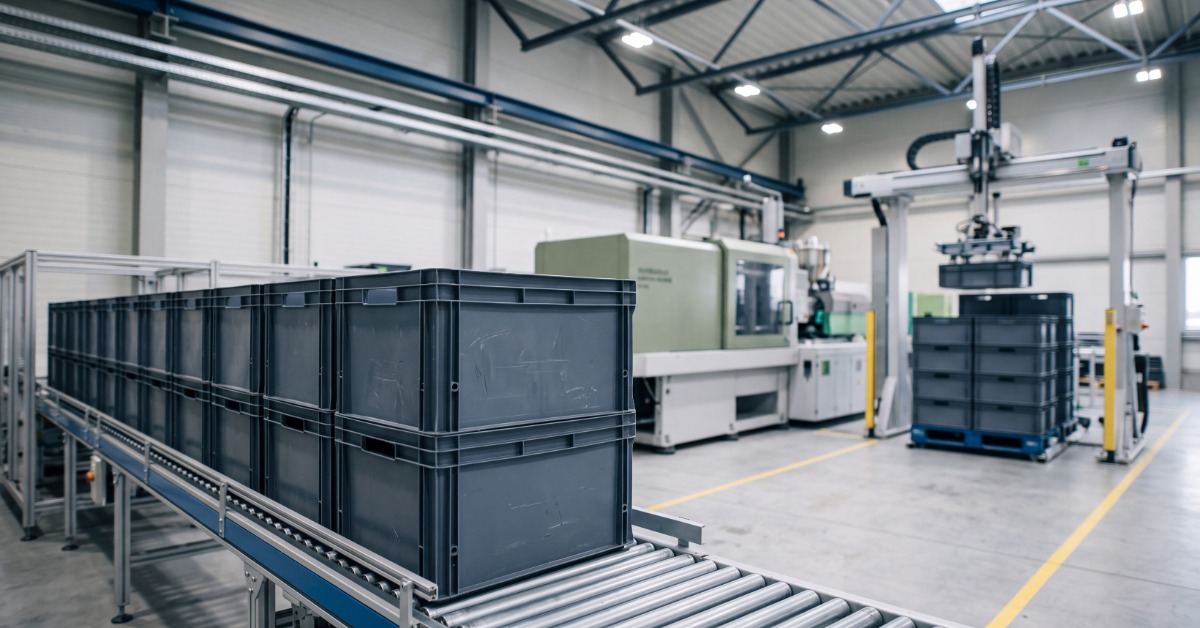
A conveyor system rolling storage bins and totes into loading area. Machinery sits behind the conveyors.

Lift Tables and Stackers That Reduce Manual Strain

Repeated lifting can slow production and place unnecessary physical demands on employees. Lift tables help workers position materials at practical working heights, reducing the need for frequent bending or awkward handling. Manufacturing facilities often use these platforms during assembly, packaging, and equipment maintenance activities. Adjustable working heights can also help employees perform repetitive tasks more comfortably throughout their shifts.

Stackers provide another useful solution when operations require vertical movement or placement of materials. Depending on the design, these machines can help employees raise palletized goods, position inventory, or support loading activities within appropriate operating limits. Facilities with limited floor space may find vertical handling equipment particularly valuable for improving storage accessibility. Choosing equipment that matches load requirements and operating conditions supports productivity and workplace safety.

Storage Equipment That Makes Better Use of Available Space

Effective material handling involves more than transporting products between locations. Storage systems influence how quickly employees locate inventory, retrieve supplies, and prepare orders for shipment. Pallet racking, industrial shelving, cabinets, and lockers help facilities organize materials according to size, accessibility, and operational importance. A well-planned storage arrangement can reduce unnecessary searching while creating more predictable inventory movement.

Businesses should organize frequently accessed materials near the areas where employees use them most often. Heavy inventory requires suitable storage capacities, while smaller components may benefit from shelving or cabinets that support clear identification. Managers must also account for aisle clearance, equipment access, and manufacturer load specifications when planning storage layouts. These considerations help organizations maximize available space without creating obstacles that interfere with daily operations.

Carts, Casters, and Specialized Handling Solutions

Not every productivity challenge requires a large piece of industrial machinery. Utility carts, platform trucks, and appropriately selected casters can improve movement throughout offices, workshops, warehouses, and manufacturing departments. These solutions help employees transport tools, components, supplies, and finished products between nearby work areas. Their versatility makes them particularly useful for operations that handle varied materials throughout the day.

Choosing effective warehouse material handling equipment requires careful attention to how employees actually perform their tasks. A cart that works well on smooth warehouse floors may not provide the same performance across uneven surfaces or outdoor loading areas. Wheel materials, load capacities, maneuverability, and ergonomic considerations all influence equipment suitability. Selecting practical configurations helps businesses avoid unnecessary purchases while improving everyday handling performance.

Choosing Equipment Based on Operational Priorities

Equipment purchases should address specific operational challenges rather than simply expanding a facility’s inventory of machinery. A distribution center struggling with order preparation may need different solutions than a manufacturing plant handling heavy components. Businesses should compare equipment capabilities against their daily workloads, available space, and anticipated growth. This approach helps purchasing teams prioritize investments that offer practical improvements.
Before selecting new equipment, facility managers should evaluate several important factors:

  • Load requirements: Confirm the weight, dimensions, and handling characteristics of materials.
  • Workflow frequency: Determine how often employees move, lift, or store specific products.
  • Facility layout: Review aisle widths, floor conditions, doorways, and available storage space.
  • Employee safety: Consider ergonomic needs, operating procedures, and training requirements.
  • Equipment durability: Evaluate construction quality and suitability for demanding applications.
  • Maintenance needs: Review inspection requirements, replacement components, and ongoing upkeep.
  • Future expansion: Consider whether equipment can accommodate changing inventory volumes or operational demands.

Improve Daily Operations With the Right Solutions

F.E. Bennett Company supplies a broad selection of material handling equipment for businesses in Portland, Oregon, and throughout the United States. Our product offerings include pallet racking, shelving, conveyors, lift tables, hand trucks, carts, casters, hoists, and so much productivity boosting material handling equipment.

Facility managers can explore these options to identify equipment that complements their operational requirements and purchasing priorities. With the right tools and thoughtful planning, businesses can create more efficient workflows that support productivity today and prepare their facilities for tomorrow.
Choosing the Right Lift Equipment for Your Facility

Moving heavy materials efficiently demands more than choosing equipment that can handle a specified amount of weight. Facility layout, load characteristics, lift frequency, available space, and worker needs all influence which solution will perform well in daily operations. Equipment that matches the application can improve material flow, reduce unnecessary handling, and help teams complete repetitive tasks more efficiently.

A thoughtful selection process also helps facilities avoid investing in equipment that creates new limitations elsewhere in the workflow. F.E. Bennett Co. is helping you choose the right lift equipment for your facility with the considerations that matter the most.

Start With the Load Requirements

Every equipment decision should begin with a clear understanding of what the facility needs to lift, position, or transport. Managers should document typical load weights, maximum anticipated weights, dimensions, shapes, and any characteristics that make materials difficult to handle. Long, unstable, fragile, or irregular loads may require different handling solutions than standard pallets or containers. Knowing these details can prevent teams from choosing equipment that technically meets a weight requirement but performs poorly with the actual material.

Rated capacity deserves particular attention because facilities need equipment designed to accommodate expected loads safely and consistently. Managers should never treat the stated capacity as a target that workers can routinely push beyond during unusually demanding tasks. Instead, equipment selection should account for realistic maximum loads and the conditions under which employees will handle them. An experienced material handling supplier can evaluate these requirements and identify options appropriate for the application.

Evaluate How Materials Move Through the Facility

The path a load follows can reveal just as much about equipment needs as the load itself. Facility managers should examine where materials enter, where workers store them, which production or picking areas use them, and where they ultimately leave the building. Unnecessary transfers between different pieces of equipment can consume time and complicate otherwise straightforward processes. Selecting equipment that supports a smoother route can reduce extra handling and improve overall material flow.

Managers should also consider how frequently employees perform each lifting task throughout a normal shift. Equipment that works adequately for an occasional lift may prove inefficient when workers repeat the same movement hundreds of times. High-frequency applications often place greater importance on maneuverability, positioning speed, ergonomics, and convenient controls. Looking at the complete workflow helps managers choose equipment around daily operations instead of an isolated lifting event.

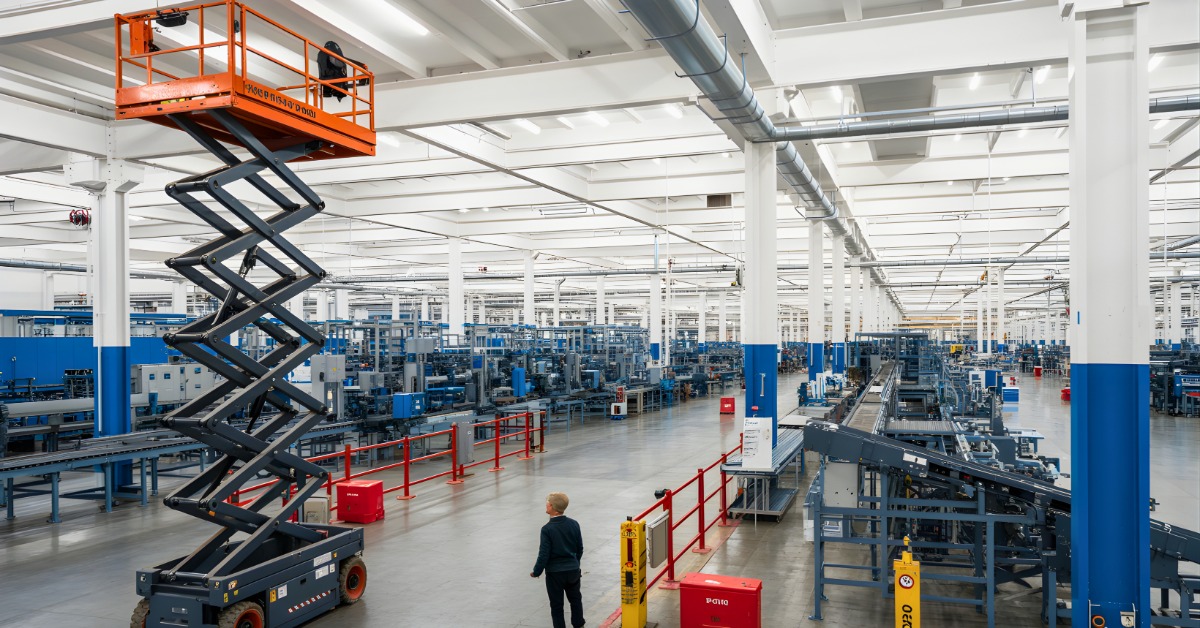
A large industrial warehouse facility with assembly lines. A professional stands next to a scissor lift.

Measure Available Space Carefully

Facility dimensions can quickly eliminate options that otherwise appear suitable for a particular load. Narrow aisles, low ceilings, tight corners, crowded production areas, and limited staging space all influence the type and size of equipment a team can use effectively. Managers should measure operating areas as well as doors, aisle widths, overhead clearances, turning spaces, and other potential restrictions. Accurate measurements ensure new equipment can travel where workers actually need it.

As such, storage requirements deserve consideration as well because lifting equipment needs somewhere to go when employees aren’t using it. Large equipment that occupies valuable floor space can interfere with pedestrian routes, inventory storage, or other operations in a congested facility. Compact equipment may offer advantages when space remains limited, provided that it still satisfies the application’s capacity and performance requirements. Facility planning should account for equipment operation and equipment storage before purchasing decisions move forward.

Compare Equipment Types With the Application

Material handling operations can draw from several categories of lift equipment, each designed to solve different challenges. Facilities may need equipment for vertical lifting, transporting loads across a warehouse, positioning materials at workstations, accessing stored inventory, or supporting specialized production processes. Choosing among these options requires managers to connect equipment capabilities directly to specific tasks. The best choice should solve an existing handling problem rather than simply add another machine to the facility.

Common considerations during an equipment comparison include:

  • Required load capacity and maximum lifting height
  • Load dimensions, stability, and material characteristics
  • Available aisle width and maneuvering space
  • Frequency and duration of lifting tasks
  • Required positioning accuracy at workstations
  • Travel distances between storage and production areas
  • Power requirements and available charging or operating infrastructure

These factors give decision-makers a practical framework for comparing possible solutions. Managers can use them to eliminate equipment that doesn’t fit physical or operational requirements before considering secondary features. This process becomes particularly valuable when several equipment categories could potentially perform the same basic task. Careful comparison helps the facility focus its investment on the solution that integrates most effectively with existing workflows.

Account for Power and Operating Conditions

Power requirements can affect where and how a facility uses lifting equipment. Some applications may benefit from powered equipment because employees handle frequent or demanding loads, while simpler tasks may suit manual solutions. Battery-powered equipment introduces considerations, such as charging locations, runtime, and the facility’s ability to keep units available across shifts. Managers should compare these operational requirements with expected usage before choosing a system.

The surrounding environment can also influence equipment selection. Floor conditions, temperature, moisture, dust, production processes, and other site-specific factors may affect which products fit an application. Equipment used primarily in a clean warehouse can face very different demands from equipment operating near manufacturing processes or loading areas. Sharing accurate environmental information with a knowledgeable supplier can narrow the options to solutions suited to real operating conditions.

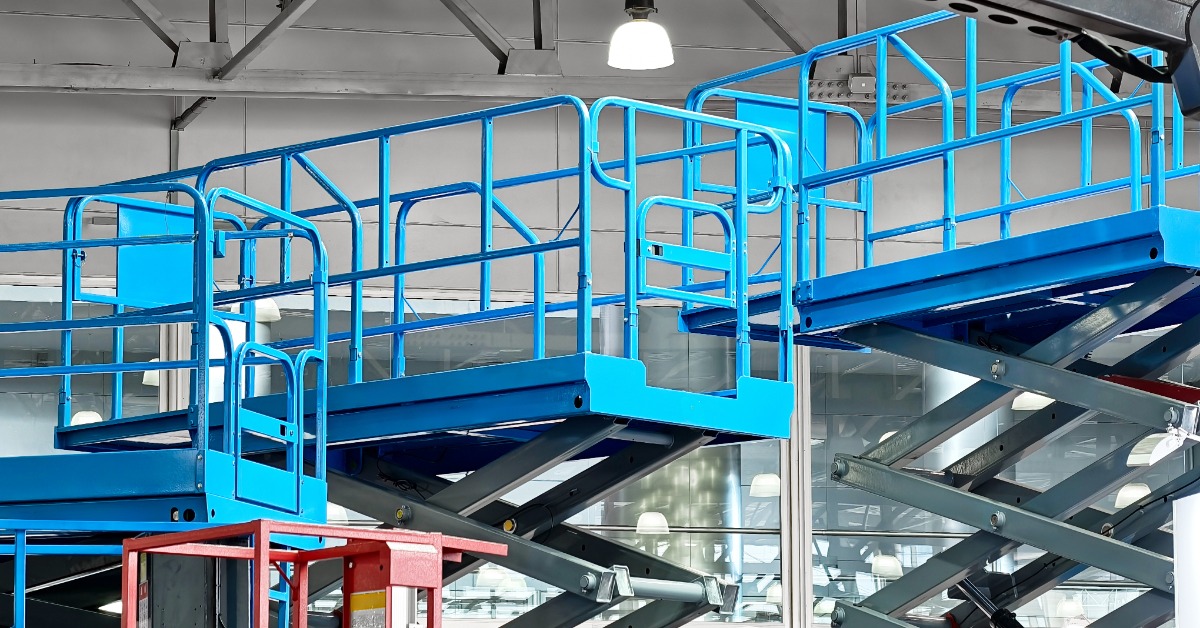
Blue scissor lifts off to the side of a business warehouse. The lifts are slightly raised and there's nobody around.

Work With an Experienced Material Handling Partner

Specifications provide useful information, but they cannot fully capture the demands of every facility. An experienced supplier can review loads, workflows, space limitations, operating conditions, and performance expectations before recommending industrial lifting equipment for a particular application. A consultation with us can help managers compare appropriate solutions without sorting through products that don’t match their needs. It also gives facilities access to practical material handling knowledge when a project involves unusual loads or complicated workflow challenges.

F.E. Bennett Company brings more than 90 years of material handling experience to facilities throughout Oregon and Southwest Washington. Our knowledgeable sales team works directly with warehouses, manufacturing operations, distribution centers, and other businesses to understand the requirements behind each equipment decision. This application-focused approach helps customers identify lifting solutions that support efficient movement rather than forcing operations to adapt around unsuitable equipment. Facilities planning a large purchase should contact F.E. Bennett Company to discuss choosing the right lift equipment.

Signs Your Loading Dock Equipment Needs Replacing

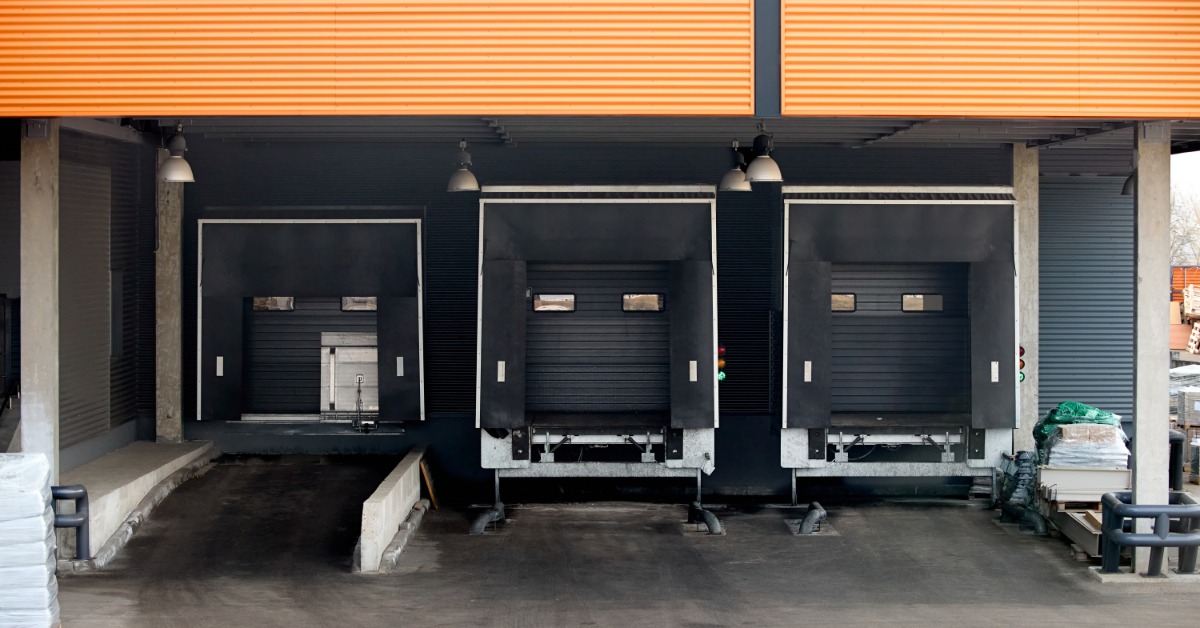
Loading docks handle some of the most demanding work inside warehouses, manufacturing facilities, and distribution operations. Dock plates, boards, lifts, and related equipment repeatedly support heavy loads while workers move products between trucks and facilities throughout the day. That constant activity creates wear that can gradually reduce reliability, efficiency, and safety. Knowing when loading dock equipment needs replacement helps facility managers address problems before worn components begin disrupting daily operations.

Continue reading “Signs Your Loading Dock Equipment Needs Replacing”

How To Choose the Right Drum-Handling Equipment

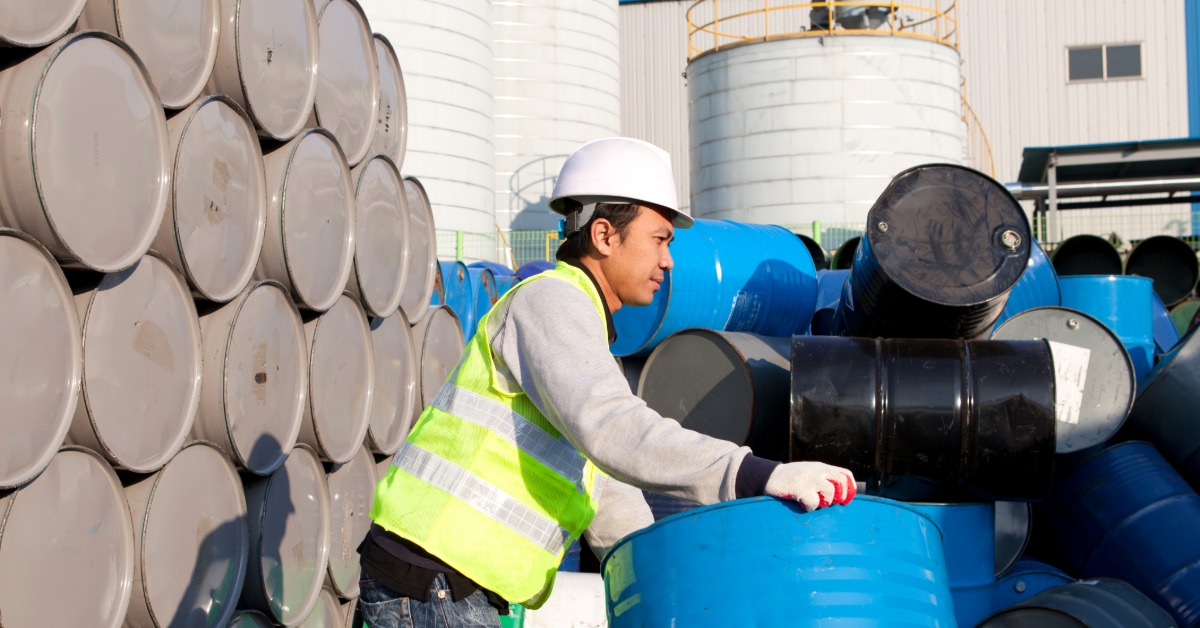
Moving drums through a warehouse or manufacturing plant may seem straightforward until the task requires more than rolling a container across a floor. A full drum can weigh hundreds of pounds, and improper handling can slow production, damage materials, or create unnecessary strain for employees. The right equipment helps teams move, lift, position, and dispense from drums with greater control.

Continue reading “How To Choose the Right Drum-Handling Equipment”

Choosing the Right Industrial Equipment Supplier

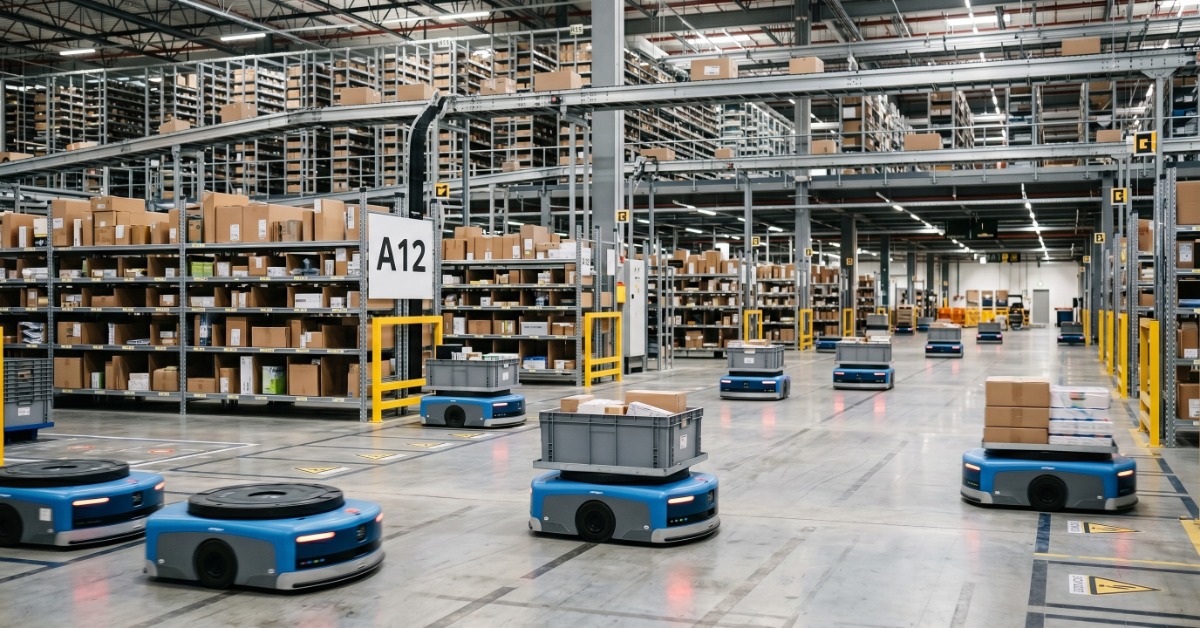
Material handling equipment influences nearly every stage of a busy warehouse, manufacturing facility, distribution center, or loading operation. The right products help employees move heavy loads, organize inventory, use available space efficiently, and keep materials flowing throughout the workday.

Continue reading “Choosing the Right Industrial Equipment Supplier”