Moving heavy materials efficiently demands more than choosing equipment that can handle a specified amount of weight. Facility layout, load characteristics, lift frequency, available space, and worker needs all influence which solution will perform well in daily operations. Equipment that matches the application can improve material flow, reduce unnecessary handling, and help teams complete repetitive tasks more efficiently.
A thoughtful selection process also helps facilities avoid investing in equipment that creates new limitations elsewhere in the workflow. F.E. Bennett Co. is helping you choose the right lift equipment for your facility with the considerations that matter the most.
Start With the Load Requirements
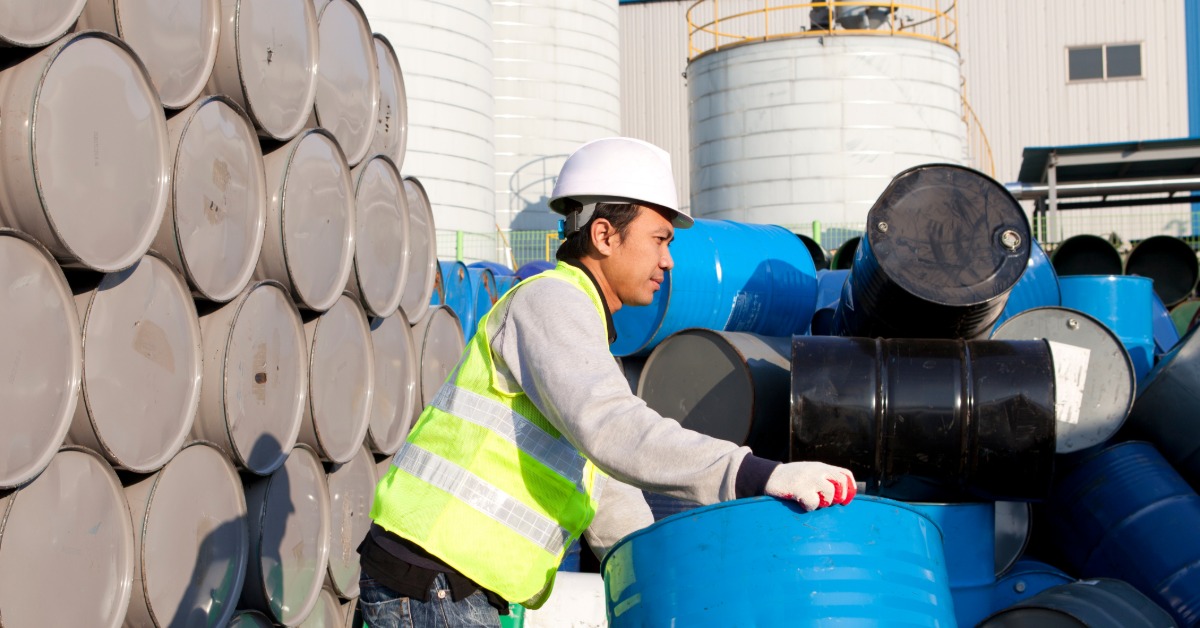
Every equipment decision should begin with a clear understanding of what the facility needs to lift, position, or transport. Managers should document typical load weights, maximum anticipated weights, dimensions, shapes, and any characteristics that make materials difficult to handle. Long, unstable, fragile, or irregular loads may require different handling solutions than standard pallets or containers. Knowing these details can prevent teams from choosing equipment that technically meets a weight requirement but performs poorly with the actual material.
Rated capacity deserves particular attention because facilities need equipment designed to accommodate expected loads safely and consistently. Managers should never treat the stated capacity as a target that workers can routinely push beyond during unusually demanding tasks. Instead, equipment selection should account for realistic maximum loads and the conditions under which employees will handle them. An experienced material handling supplier can evaluate these requirements and identify options appropriate for the application.
Evaluate How Materials Move Through the Facility
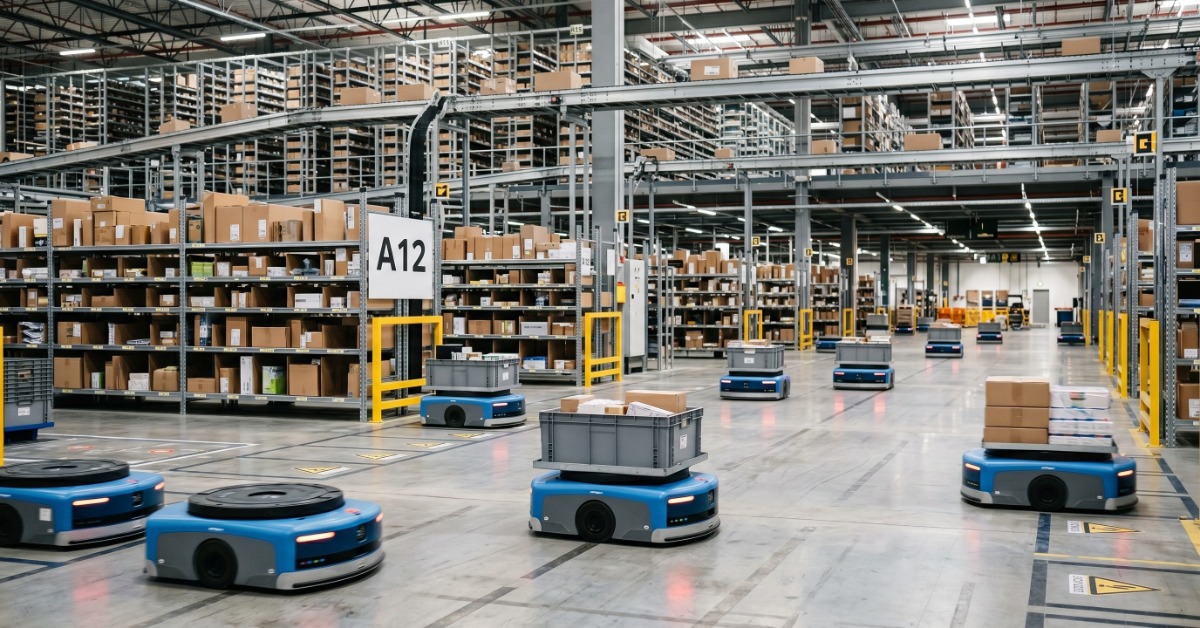
The path a load follows can reveal just as much about equipment needs as the load itself. Facility managers should examine where materials enter, where workers store them, which production or picking areas use them, and where they ultimately leave the building. Unnecessary transfers between different pieces of equipment can consume time and complicate otherwise straightforward processes. Selecting equipment that supports a smoother route can reduce extra handling and improve overall material flow.
Managers should also consider how frequently employees perform each lifting task throughout a normal shift. Equipment that works adequately for an occasional lift may prove inefficient when workers repeat the same movement hundreds of times. High-frequency applications often place greater importance on maneuverability, positioning speed, ergonomics, and convenient controls. Looking at the complete workflow helps managers choose equipment around daily operations instead of an isolated lifting event.
Measure Available Space Carefully
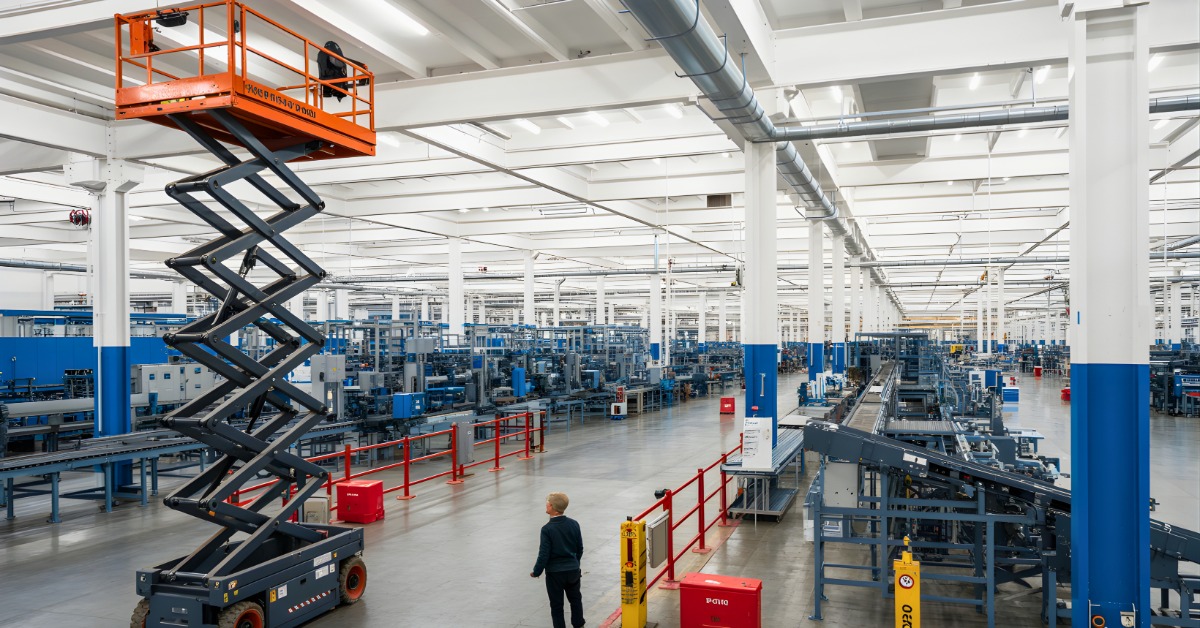
Facility dimensions can quickly eliminate options that otherwise appear suitable for a particular load. Narrow aisles, low ceilings, tight corners, crowded production areas, and limited staging space all influence the type and size of equipment a team can use effectively. Managers should measure operating areas as well as doors, aisle widths, overhead clearances, turning spaces, and other potential restrictions. Accurate measurements ensure new equipment can travel where workers actually need it.
As such, storage requirements deserve consideration as well because lifting equipment needs somewhere to go when employees aren’t using it. Large equipment that occupies valuable floor space can interfere with pedestrian routes, inventory storage, or other operations in a congested facility. Compact equipment may offer advantages when space remains limited, provided that it still satisfies the application’s capacity and performance requirements. Facility planning should account for equipment operation and equipment storage before purchasing decisions move forward.
Compare Equipment Types With the Application
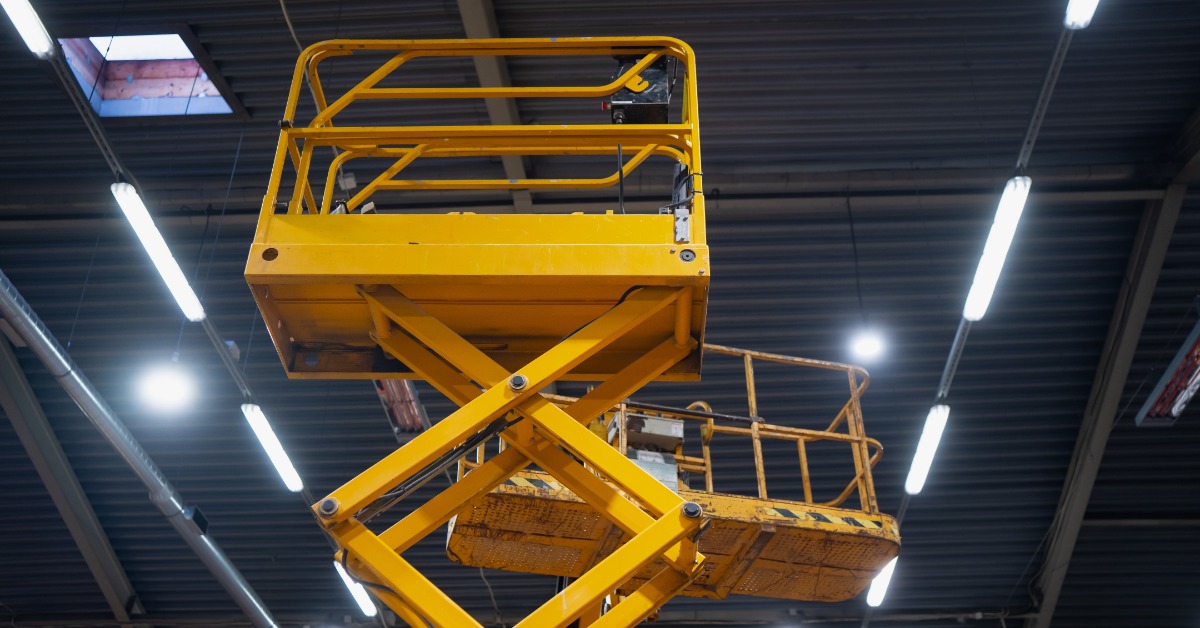
Material handling operations can draw from several categories of lift equipment, each designed to solve different challenges. Facilities may need equipment for vertical lifting, transporting loads across a warehouse, positioning materials at workstations, accessing stored inventory, or supporting specialized production processes. Choosing among these options requires managers to connect equipment capabilities directly to specific tasks. The best choice should solve an existing handling problem rather than simply add another machine to the facility.
Common considerations during an equipment comparison include:
- Required load capacity and maximum lifting height
- Load dimensions, stability, and material characteristics
- Available aisle width and maneuvering space
- Frequency and duration of lifting tasks
- Required positioning accuracy at workstations
- Travel distances between storage and production areas
- Power requirements and available charging or operating infrastructure
These factors give decision-makers a practical framework for comparing possible solutions. Managers can use them to eliminate equipment that doesn’t fit physical or operational requirements before considering secondary features. This process becomes particularly valuable when several equipment categories could potentially perform the same basic task. Careful comparison helps the facility focus its investment on the solution that integrates most effectively with existing workflows.
Account for Power and Operating Conditions
Power requirements can affect where and how a facility uses lifting equipment. Some applications may benefit from powered equipment because employees handle frequent or demanding loads, while simpler tasks may suit manual solutions. Battery-powered equipment introduces considerations, such as charging locations, runtime, and the facility’s ability to keep units available across shifts. Managers should compare these operational requirements with expected usage before choosing a system.
The surrounding environment can also influence equipment selection. Floor conditions, temperature, moisture, dust, production processes, and other site-specific factors may affect which products fit an application. Equipment used primarily in a clean warehouse can face very different demands from equipment operating near manufacturing processes or loading areas. Sharing accurate environmental information with a knowledgeable supplier can narrow the options to solutions suited to real operating conditions.
Work With an Experienced Material Handling Partner
Specifications provide useful information, but they cannot fully capture the demands of every facility. An experienced supplier can review loads, workflows, space limitations, operating conditions, and performance expectations before recommending industrial lifting equipment for a particular application. A consultation with us can help managers compare appropriate solutions without sorting through products that don’t match their needs. It also gives facilities access to practical material handling knowledge when a project involves unusual loads or complicated workflow challenges.
F.E. Bennett Company brings more than 90 years of material handling experience to facilities throughout Oregon and Southwest Washington. Our knowledgeable sales team works directly with warehouses, manufacturing operations, distribution centers, and other businesses to understand the requirements behind each equipment decision. This application-focused approach helps customers identify lifting solutions that support efficient movement rather than forcing operations to adapt around unsuitable equipment. Facilities planning a large purchase should contact F.E. Bennett Company to discuss choosing the right lift equipment.