
A reliable loading dock plays an important role in keeping warehouse and manufacturing operations running efficiently. When equipment reaches the end of its service life or a facility requires additional loading capabilities, installing a new dock leveler can improve material handling and support safer trailer access.
However, successful installation requires more than selecting equipment and securing it to the dock. F.E. Bennett Company discusses what to expect during dock leveler installation in seven simple steps.
Step 1: Schedule an On-Site Dock Survey
The first step involves scheduling a professional assessment of your existing loading dock. During this visit, an experienced representative examines the dock’s physical characteristics and discusses your facility’s material handling requirements. This initial evaluation can determine which type of leveler will best accommodate your operations and existing infrastructure. It also establishes the information necessary to develop an accurate installation recommendation.
Project managers should prepare to discuss their typical loading activities, equipment usage, and any challenges with their current dock setup. For example, a facility that regularly handles heavy forklift traffic may have different requirements than one primarily using pallet jacks. Trailer height variations and loading frequency can also influence equipment selection. Sharing these details helps the installation team understand how the leveler must perform during everyday operations.
Step 2: Measure the Dock and Evaluate Existing Conditions
Accurate measurements ensure that the selected leveler fits the loading dock and supports efficient trailer access. During the survey, the installation team evaluates relevant dimensions and examines the existing dock configuration. For replacement projects, the condition and dimensions of an existing pit may influence equipment compatibility. Facilities without a suitable pit may require additional construction before installation can proceed.
The evaluation may also identify surrounding conditions that affect the project. Dock approach areas, nearby structures, and available working space can influence installation planning. Project managers should communicate any operational restrictions that could complicate equipment access or construction activities. Addressing these considerations early reduces the likelihood of unexpected complications once work begins.
Step 3: Choose the Appropriate Dock Leveler
Different dock leveler designs accommodate different loading requirements and facility configurations. Selecting the right equipment involves considering operational demands alongside the physical characteristics of the dock. An experienced installation provider can explain the advantages and limitations of available options based on the survey findings. The objective involves matching equipment capabilities with the facility’s actual material handling needs.
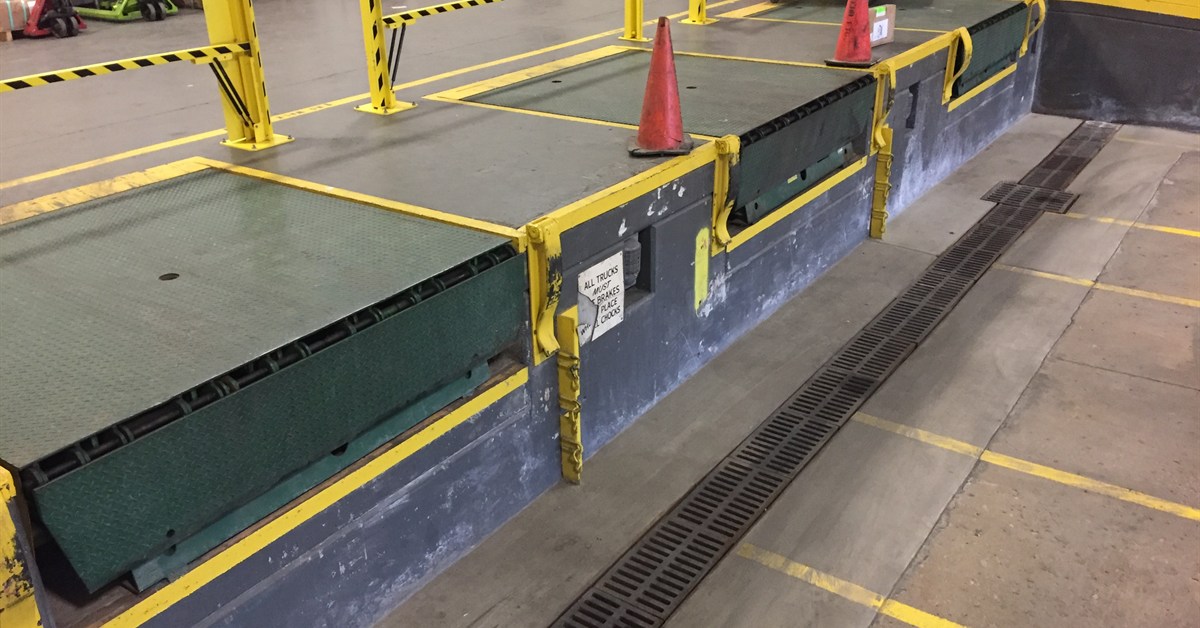
Common dock leveler configurations include mechanical, hydraulic, and air-powered systems, although suitability depends on the application. Mechanical models typically use spring-assisted mechanisms, while hydraulic designs use powered components to raise and position the platform. Air-powered systems use an inflatable lifting mechanism to operate the leveler. Your installation recommendation should consider equipment capacity, operating frequency, maintenance expectations, and compatibility with existing infrastructure.
Step 4: Review the Installation Quote
After completing the survey and developing equipment recommendations, the next step involves reviewing the installation quote. F.E. Bennett Company provides a complete quote based on its recommendations and the work necessary for the project. This information helps project managers evaluate the proposed investment and communicate requirements to facility leadership. A detailed discussion also creates an opportunity to clarify the anticipated scope before approving the installation.
When reviewing the proposal, consider whether the project requires equipment replacement, additional construction, or related dock improvements. Pit excavation and concrete work can influence the overall scope when the facility needs a pit-style leveler. Project managers should also discuss scheduling expectations and any facility preparations that may affect installation. Clear communication during this stage helps everyone understand the project’s requirements before work begins.
Step 5: Prepare the Loading Dock for Installation
Once the project moves forward, facility preparation becomes an important part of maintaining operational continuity. Project managers should coordinate with warehouse supervisors to determine how installation activities will affect dock availability. Depending on the work involved, the affected loading position may need to remain temporarily unavailable. Planning alternative loading arrangements can maintain material movement while crews complete the necessary work.
Before installation begins, consider several practical preparations, such as:
- Coordinate dock access: Keep the designated work area accessible to installation personnel and equipment.
- Adjust shipping schedules: Redirect deliveries or outgoing shipments when the affected dock cannot operate.
- Communicate with employees: Inform warehouse personnel about temporary access restrictions and work activities.
- Review site safety: Establish appropriate separation between installation activities and normal warehouse traffic.
- Confirm project details: Review equipment specifications, scheduling arrangements, and necessary preparations with the installation provider.
Step 6: Complete Pit Excavation and Concrete Work
Some dock leveler installations require a recessed pit that accommodates the equipment within the loading dock’s surface. If the existing facility lacks a suitable pit, the project may require excavation and concrete work before crews can install the leveler. F.E. Bennett Company includes pit excavation and pouring within its installation process when the selected equipment requires this preparation. The specific construction requirements depend on the dock configuration and recommended leveler.
Proper pit dimensions and structural preparation play important roles in supporting equipment installation. Crews must account for the selected leveler’s specifications and applicable construction requirements during this stage. Concrete curing and other site conditions may also affect when the project can progress to equipment installation. Project managers should discuss these considerations during planning to establish realistic expectations for dock availability.
Step 7: Install and Check the Dock Leveler
After completing any necessary site preparation, installation crews can position and secure the selected dock leveler. The exact procedure depends on the equipment design, manufacturer specifications, and existing dock configuration. Proper installation helps the leveler operate as intended while supporting the demands of routine loading activities. Qualified installation personnel must follow applicable requirements for mounting, connections, and equipment setup.
Before returning the loading position to regular service, the installation team should verify the leveler’s operation and essential safety functions. These checks may involve examining platform movement, lip engagement, and other components relevant to the selected model. Facility personnel should also understand the equipment’s operating procedures and manufacturer maintenance recommendations. Establishing these expectations can support responsible equipment use after installation.
Plan Your Dock Leveler Installation With F.E. Bennett Company
F.E. Bennett Company provides professional dock leveler installation in Portland and throughout the Greater Portland area, helping warehouses and manufacturing facilities address their loading dock requirements. Our team conducts on-site surveys, recommends suitable equipment, and provides complete dock leveler installation quotes based on each facility’s needs.
We also offer optional dock seals, shelters, vehicle restraints, and protective equipment to support a more comprehensive loading dock setup. Call F.E. Bennett Company at 1-866-201-4271 or contact us online to schedule your dock survey and discuss your installation project.