
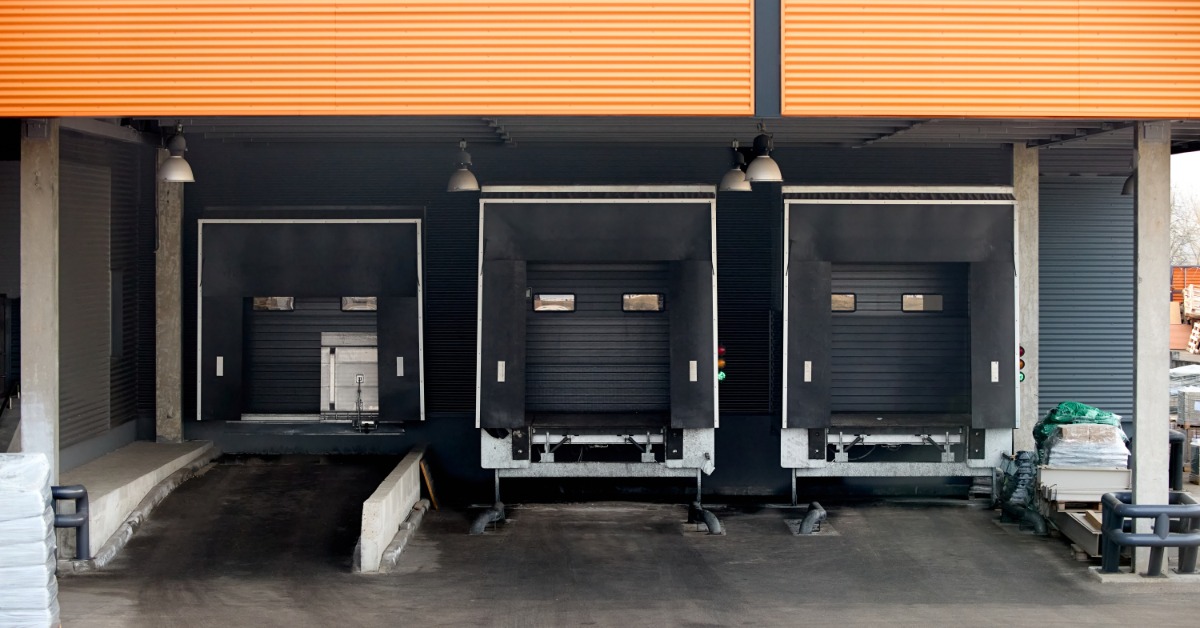
Loading docks handle some of the most demanding work inside warehouses, manufacturing facilities, and distribution operations. Dock plates, boards, lifts, and related equipment repeatedly support heavy loads while workers move products between trucks and facilities throughout the day. That constant activity creates wear that can gradually reduce reliability, efficiency, and safety. Knowing when loading dock equipment needs replacement helps facility managers address problems before worn components begin disrupting daily operations.
Maintenance can extend the useful life of quality equipment, but repairs cannot solve every problem indefinitely. F.E. Bennett explores the signs your loading dock equipment needs replacing and why it’s important to catch the signs early.
Visible Structural Damage Has Become Significant
Physical damage provides one of the clearest indications that loading dock equipment requires closer evaluation. Cracks, bends, warped surfaces, damaged edges, corrosion, and distorted structural components can develop after years of repeated loading and impact. Even damage that initially appears minor can affect how equipment handles weight or interfaces with a truck, trailer, or dock opening. Facility teams should never assume that visible deterioration only creates a cosmetic concern.
Dock boards and plates deserve particularly careful inspection because they create the transition between different working surfaces. Repeated forklift, pallet jack, cart, and product traffic places substantial stress on these components during normal operations. Damage can also worsen when equipment experiences loads beyond its intended capacity or frequent impacts from material-handling vehicles. Replacement may provide a more practical long-term solution when structural deterioration continues to progress despite repairs.
Equipment No Longer Operates Smoothly
Loading dock equipment should support predictable and controlled material movement. Unusual movement, sticking components, excessive vibration, instability, or inconsistent positioning can indicate mechanical wear or structural problems that deserve immediate attention. Workers may start compensating for these problems without realizing how much the equipment has deteriorated. These informal workarounds can conceal a growing problem while also slowing everyday loading and unloading.
Managers should listen to employees who use the dock every day because operators often notice subtle changes first. A worker may report that a component feels different, requires more effort, shifts unexpectedly, or no longer aligns as easily as it once did. Supervisors should investigate those observations rather than dismissing them because the equipment still technically functions. Equipment doesn’t need to stop working completely before replacement becomes a reasonable consideration.
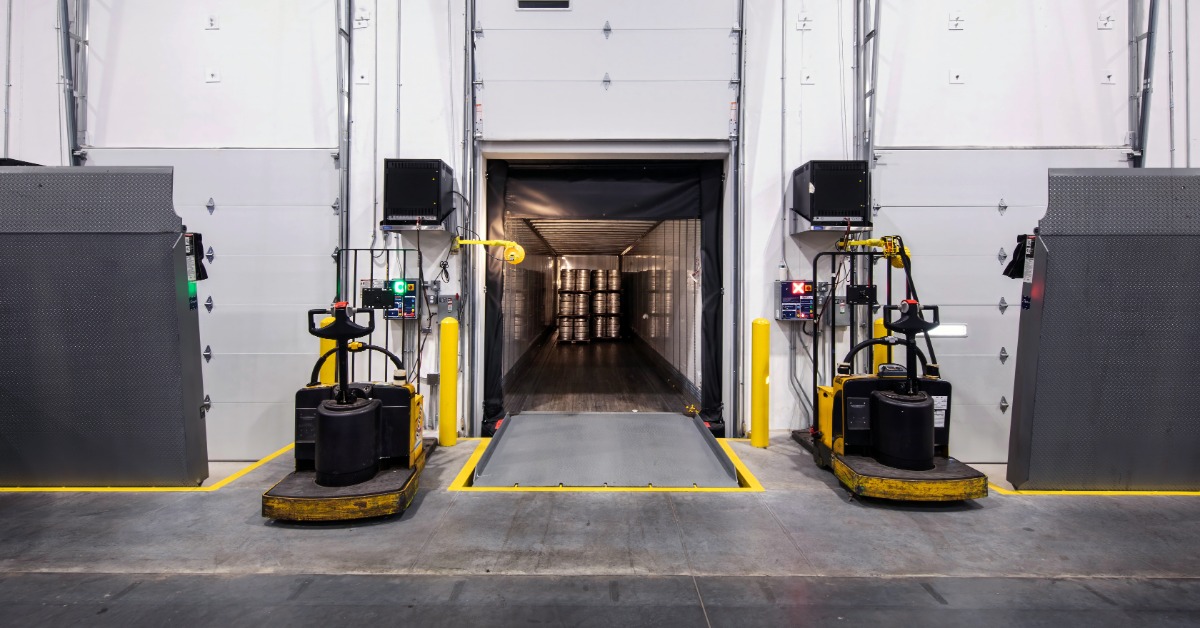
Workers Have Developed Too Many Workarounds
Employees often find creative ways to keep operations moving when equipment starts causing trouble. That adaptability can help during a temporary problem, but routine workarounds may signal that the facility needs a permanent solution. Workers shouldn’t need unusual positioning, repeated adjustments, extra handling steps, or unnecessary physical effort simply to compensate for worn equipment. These behaviors can reduce productivity and introduce inconsistencies into otherwise straightforward material movement.
Managers should watch for several recurring warning signs around the dock, including:
- Employees repeatedly reposition equipment before they can use it.
- Operators avoid a particular dock position because of unreliable equipment.
- Loading or unloading takes noticeably longer at certain doors.
- Workers report instability, unusual movement, or difficult operation.
- Supervisors frequently request maintenance for the same equipment.
- Teams use extra handling steps to complete routine transfers.
- Damaged components interfere with smooth product movement.
Downtime Has Started Affecting Productivity
A loading dock can influence the pace of an entire facility. When essential equipment fails, trucks may wait longer, employees may shift work to other doors, and material can accumulate in areas that normally remain clear. Even short interruptions can create delays that spread through receiving, storage, order fulfillment, production, and outbound shipping. Frequent equipment problems therefore carry costs that extend beyond the repair invoice itself.
Managers should consider downtime when calculating the true cost of aging equipment. A less expensive repair may appear attractive until the business factors in labor interruptions, delayed shipments, rescheduling, and repeated service calls. Facilities with high shipping volumes may feel these effects especially quickly because every dock position contributes to overall throughput. Reliable equipment supports predictable workflow and allows teams to spend more time moving products instead of responding to breakdowns.
Safety Concerns Keep Increasing
Safety should play a central role in every repair-or-replace decision. Material-handling environments combine heavy products, powered equipment, vehicle traffic, elevation changes, and frequent human movement in relatively concentrated spaces. Worn or unreliable equipment can add another variable to an already active working environment. Managers should address concerns promptly whenever equipment conditions affect stability, positioning, load handling, or predictable operation.
As such, regular inspections help teams identify changes before they become severe. Facilities should establish inspection practices that fit their equipment, workload, manufacturer recommendations, and operating environment. Employees should also have a clear process for reporting damage or unusual operation as soon as they notice it. If an inspection reveals significant deterioration or a unit cannot reliably support its intended application, replacement may provide a more appropriate path than repeated repairs.
Older Equipment No Longer Fits the Operation
Age alone doesn’t determine whether equipment needs replacement. Well-selected equipment can provide years of useful service when a facility operates and maintains it correctly. However, older equipment may no longer suit a warehouse after the business changes its layout, workflow, load requirements, or material-handling fleet. Managers should evaluate suitability in addition to physical condition.
A broader evaluation matters when companies review warehouse loading dock equipment as part of an expansion, modernization project, or operational redesign. A facility may discover that existing dock plates, boards, lifts, or handling products create bottlenecks even though individual components remain functional. Updating equipment provides an opportunity to select specifications that align more closely with current processes and expected growth. Managers can then approach replacement as an operational improvement rather than simply a reaction to failure.
Expert Guidance Can Clarify Replacement Decisions
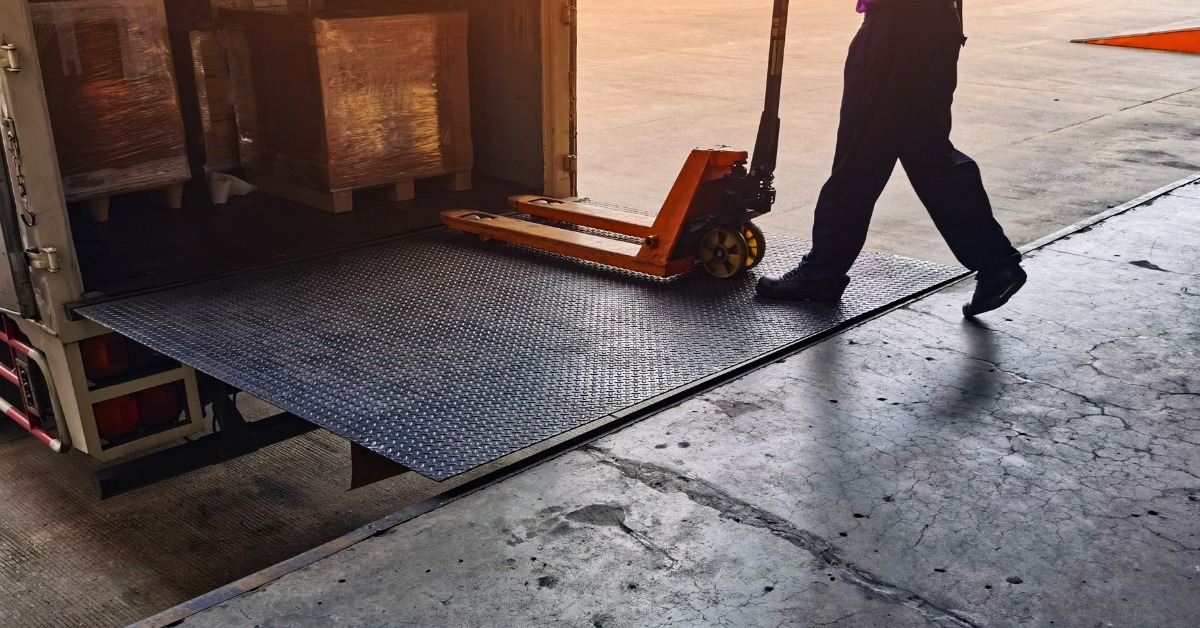
Material-handling equipment involves more than selecting a product from a catalog. Facilities need equipment that matches capacity requirements, dimensions, working conditions, traffic levels, and the types of products employees move. An experienced distributor like F.E. Bennett helps buyers identify relevant specifications and compare off-the-shelf options with customized solutions when an application requires something different. Our guidance becomes particularly useful when managers need to replace equipment that has remained in service for many years.
F.E. Bennett Co. has served the Portland business community for more than 92 years and has supplied material-handling products to more than 10,000 customers of different sizes. We maintain long-standing relationships with manufacturers across North America and beyond while supplying products, such as dock boards, lifts, pallet trucks, hand trucks, carts, casters, conveyors, shelving, and other material-handling equipment. This broad experience helps the team understand how individual products fit into larger movement, storage, control, and protection processes. When any of the abovementioned signs your loading dock equipment needs replacing arise, contact our team to begin making upgrades.